
Tulane connects students with faculty and industry mentors in new research initiative
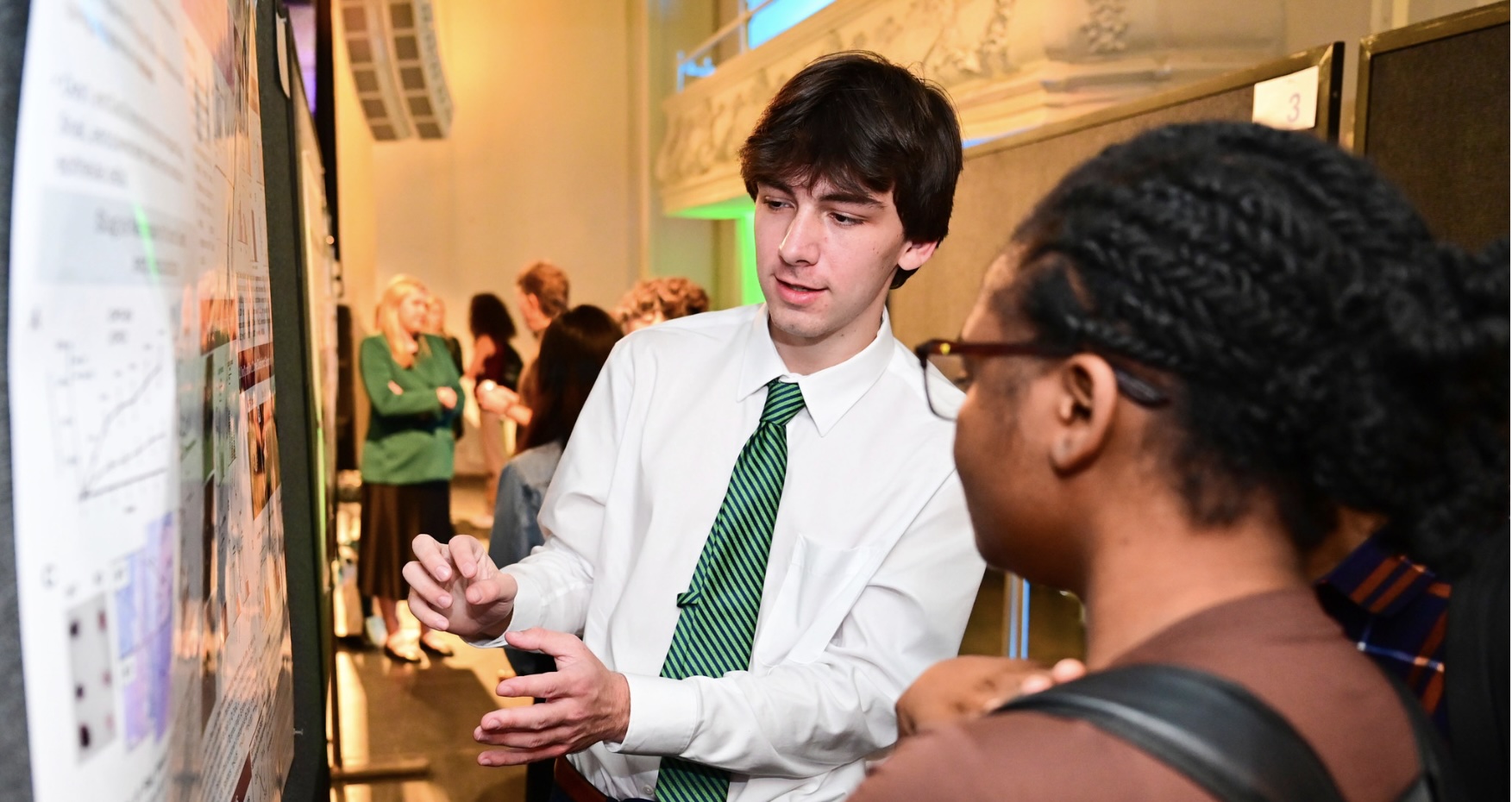
TURE participants will learn how to present and create research posters.
January 20, 2026
This summer, a new undergraduate opportunity is available to students across the United States through the U.S. National Science Foundation’s Research Experiences for Undergraduates (NSF-REU) program at Tulane University. The program reflects NSF's recognition that the nation needs scientists who possess technical depth and the ability to translate research into solutions.
The Tulane Use-Inspired Research and Entrepreneurship Program (TURE), based in the School of Science and Engineering and offered in partnership with the Tulane Innovation Institute, will provide a paid, 10-week summer experience that connects rigorous research with practical outcomes. Selected students will receive a $7,000 stipend, on-campus housing and travel support.
Applications are now open for summer 2026. Eight students will spend May 25–July 29, 2026, in New Orleans conducting research in health, energy and environmental systems, while learning how innovations advance toward implementation and impact.
Students will work closely with Tulane faculty members and industry mentors on projects that address concrete challenges, including applying machine learning to anticipate health risks, designing catalysts for cleaner hydrogen production and developing targeted approaches to mitigate harmful algal blooms. The emphasis is not only on technical rigor, but on understanding the needs these projects address and the communities they serve.
The program is led by Noshir Pesika, PhD, associate professor of chemical and biomolecular engineering, whose work spans biomimetic materials, advanced catalysts, environmentally responsible oil dispersants and ultra-low-friction surfaces, and Claiborne Christian, PhD, director of commercialization at the Tulane Innovation Institute. Christian works with Tulane faculty members and scientists to evaluate technologies, build interdisciplinary teams and advance promising work through programs such as NSF I-Corps. He also teaches a seminar on innovation and technology development, helping students understand how research creates societal and economic value.
"The School of Science and Engineering has exceptional faculty doing high-impact work in areas like advanced materials, energy systems, and life sciences. TURE gives students direct access to that expertise—they're not just observing science, they're contributing to it alongside faculty who are leaders in their fields,” said Pesika.

Noshir Pesika is a faculty leader of Tulane’s NSF-REU program, which will connect undergraduate students to research and innovation.
TURE coursework will cover core research competencies, including ethics, project organization, data visualization and technical communication. In parallel, participants will be introduced to the fundamentals of commercialization, including defining problem statements, conducting customer discovery, assessing markets and identifying next steps for further development.
“Great research addresses real societal issues, and TURE will help participating undergraduates understand both the science and the steps to make an impact. We're training them to ask not just 'Does this work?' but 'Who needs this solution, and what will it take to reach them?' ” remarked Christian.
Panels with Tulane alumni and faculty founders will provide candid perspectives on careers in academia, industry and startups. Site visits and field trips around New Orleans complement the academic experience and connect the training to the region.
Eligible applicants must be enrolled in a two- or four-year undergraduate program and demonstrate a desire to pursue research or graduate study, as well as an interest in innovation, entrepreneurship and commercialization. TURE is designed to broaden participation in STEM within a collaborative research environment.
The application deadline is March 1, 2026. TURE is open to undergraduates nationwide for the summer 2026 session at Tulane University in New Orleans. For full eligibility requirements, application materials and details, visit ture.tulane.edu.
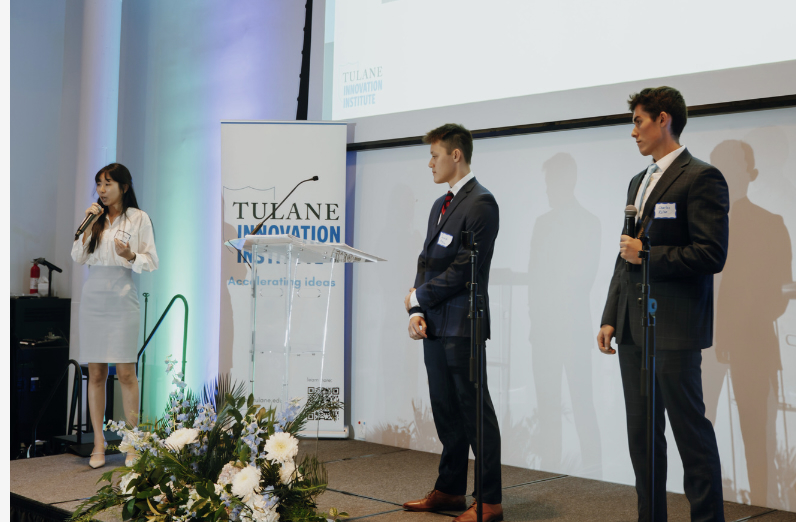
School of Science and Engineering undergraduate students pitching their big idea at a Tulane Innovation Institute event.
